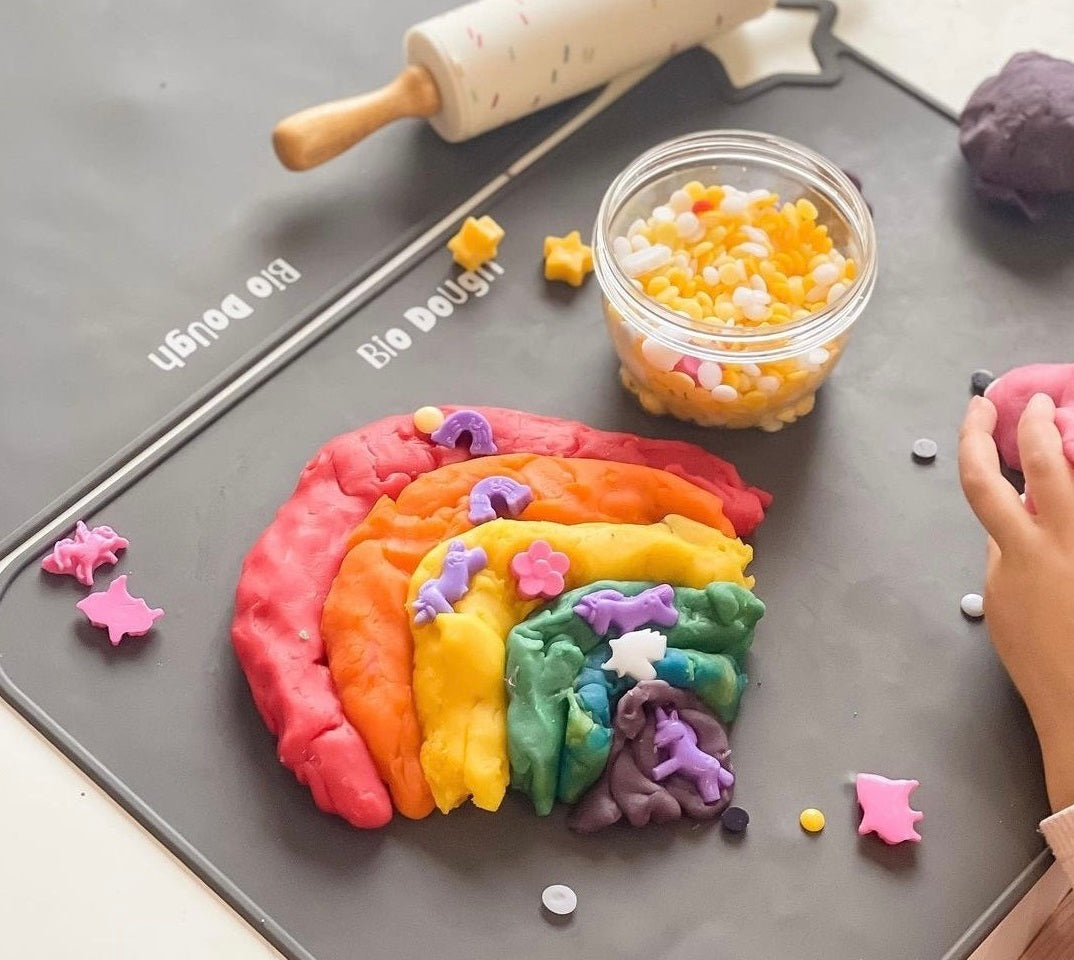
Playdough is one of the most loved sensory materials in Australian homes and early learning settings. Parents and carers often want to know exactly what is in their child's playdough, what age guidance applies and what makes one product stand out from another. Bio DoUgh is built around honest answers to all of these questions, starting with a formula made from 100% food-grade Australian ingredients.
This guide covers everything parents love knowing before setting up a playdough session: what the ingredients are, what age guidance means for their child's play, what allergen labelling to look for and why food-grade quality makes a genuine difference.
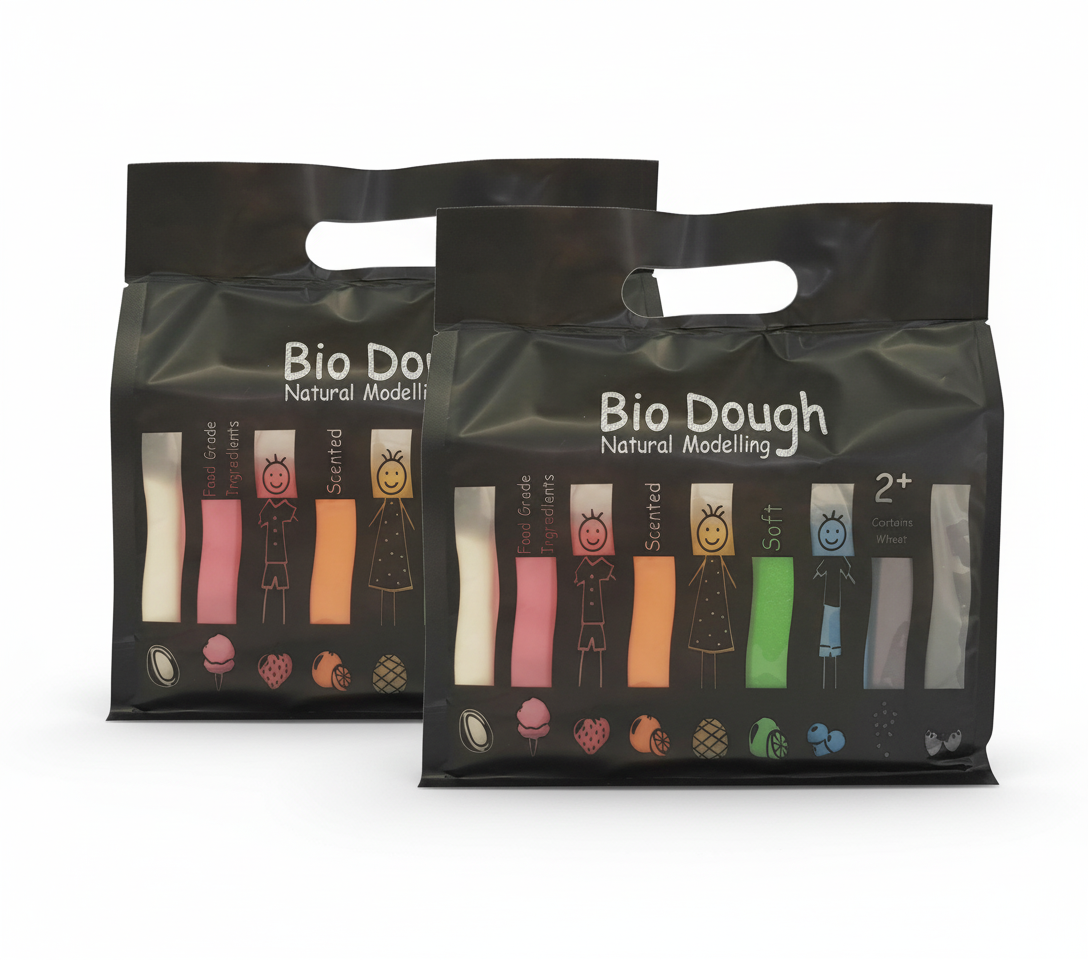
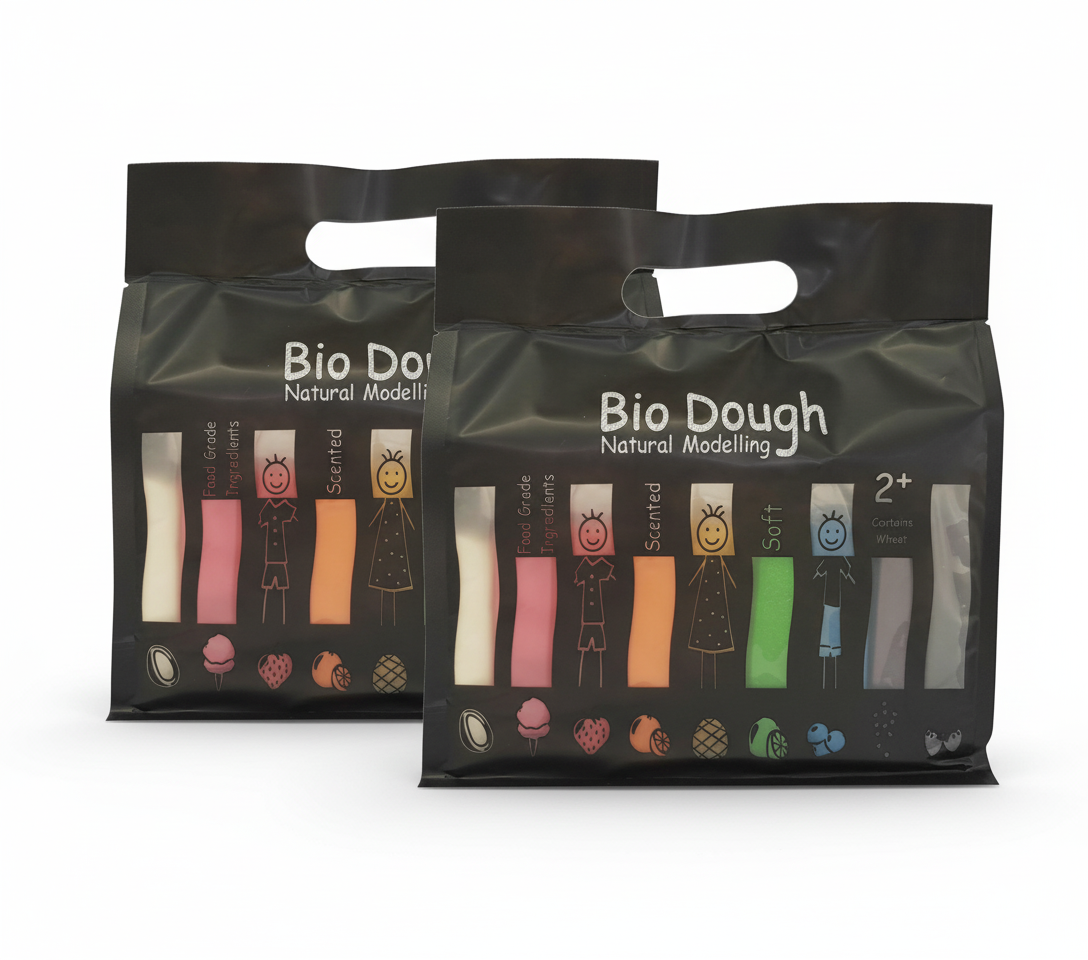
Bio DoUgh is an Australian-made playdough crafted from 100% food-grade ingredients, including Australian-sourced flour and salt. It is recommended for children aged two and over and is designed for supervised sensory play. The formula is non-toxic, clearly allergen-labelled and available directly through biodough.com.au and through resellers across Australia. Direct adult supervision and handwashing before and after play give families the best possible session every time.
What Non-Toxic and Food-Grade Mean for Your Family
Two of the most reassuring words on a playdough pack are non-toxic and food-grade. Understanding what both mean helps parents make confident, informed choices for their children.
Non-toxic means the product does not contain intentionally harmful compounds at levels that would cause concern during normal supervised play. It reflects the careful formulation of the product for use by children in a play context.
Food-grade goes one step further. It means every ingredient in the formula meets the quality standards applied to ingredients used in human food, not just general consumer product standards. Bio DoUgh's commitment to 100% food-grade ingredients means the oil, preservatives and aromatic compounds in the formula are all assessed to a higher standard than many alternatives available on the market.
Together, these two qualities give Australian families genuine confidence in what they are putting in front of their children.
Understanding the 2+ Age Guidance for Playdough
Bio DoUgh is recommended for children aged two and over, and this guidance reflects something positive about child development at this stage. Around age two, children typically begin to transition from full sensory exploration by mouthing objects toward more intentional, hands-on play. This makes playdough an ideal activity for this age group, when little hands are ready to squeeze, roll, poke and create.
Direct adult supervision throughout every session supports the best experience for children at this stage. One adult at arm's reach, a clean mat and a piece of dough sized for little hands creates the ideal conditions for rich, focused play. For younger children, sensory activities specifically designed for their developmental stage are a wonderful choice while they grow into playdough readiness.
For a complete guide to readiness signs and how to introduce playdough to a child for the first time, read the playdough age and readiness guide.
Playdough for Toddlers: Why It Is Such a Wonderful Choice
For children aged two and over, playdough is one of the richest sensory and developmental activities available. Children in this age group are building hand strength, fine motor control, language, creativity and social skills all at once, and playdough supports every one of these areas naturally through play.
A great toddler playdough session includes one adult present and engaged, one colour to start with, and no small accessories for the very first sessions. Tools like rolling pins and large cutters can be introduced gradually as the child's play develops. Washing hands before and after keeps the session hygienic and helps the dough stay clean for longer. Sealing clean dough in its pack after every session keeps it fresh and ready for next time.
What Playdough Is Made Of: Quality Ingredients Explained
Bio DoUgh uses a small, recognisable list of 100% food-grade ingredients, including Australian-sourced flour and salt. Here is what each one contributes to the play experience:
| Ingredient | Role in the dough | What parents love about it |
|---|---|---|
| Flour (Australian wheat) | Provides structure and body | Australian-sourced and food-grade. Check the current label for allergen information if your family manages a wheat sensitivity. |
| Salt (Australian) | Natural preservative that also keeps the dough tasting unpleasant so children are naturally deterred from eating it | Australian-sourced. The high salt content is a natural deterrent that supports supervised play. |
| Water | Binds the ingredients together | Simple and clean. Adding a few drops of water also refreshes clean Bio DoUgh that has dried slightly. |
| Coconut oil (food-grade) | Creates the soft, non-sticky texture | Food-grade coconut oil gives Bio DoUgh its wonderfully soft, responsive feel from the very first squeeze. |
| Cream of tartar | Adds elasticity and silky smoothness | A natural compound derived from wine fermentation and used in baking. It is what gives quality playdough its satisfying stretch. |
| Natural food-grade scents | Gives each colour its unique natural aroma | Bio DoUgh uses food-grade aromatic compounds for natural scents. The scent-free option is available for families who prefer a neutral formula. |
| Food-grade colour | Creates the vibrant, beautiful colours children love | Food-grade colour delivers the rich, vivid hues across Bio DoUgh's colour range. A dye-free option is also available. |
Why Food-Grade Quality Makes All the Difference
Choosing a playdough made with food-grade ingredients is one of the most meaningful decisions a parent can make when selecting sensory materials for young children. Not all playdoughs use the same standard of ingredients. Bio DoUgh's 100% food-grade commitment means the oil, preservatives and aromatic compounds in the formula are assessed to the same purity level as ingredients used in food products.
This level of quality produces a noticeably better texture: softer, more responsive and more consistent from the first use to the last. It also gives parents the confidence that comes from knowing exactly what standard every ingredient has been held to.
To learn more about what Bio DoUgh is made from and how its formula is built, see who makes Bio DoUgh and what goes into it.
Allergen Information: Finding the Right Bio DoUgh for Your Family
Bio DoUgh contains wheat and therefore contains gluten. Every Bio DoUgh pack clearly displays this allergen information so families can make an informed choice for their child. Families managing a wheat sensitivity or coeliac condition are encouraged to seek guidance from their healthcare provider when selecting playdough.
For families who want a playdough without added scent or artificial dye, the Scent-Free and Dye-Free Bio DoUgh offers the same 100% food-grade formula in a completely neutral format. It retains the same wonderfully soft texture and carries the same clear allergen labelling, giving sensory-sensitive families a trusted, straightforward option.
Always read the current product label before each session. Bio DoUgh's transparent labelling makes this quick and easy every time.
Setting Up the Perfect Playdough Session: A Simple Checklist
- Follow the age guidance on the pack. Bio DoUgh is designed for children aged two and over.
- Read the allergen label. Bio DoUgh contains wheat. Bio DoUgh's clear labelling makes this easy to check each time.
- Choose a clean, wipeable surface. A silicone mat or a clean table creates a great play area.
- Stay at arm's reach throughout. Direct adult presence makes every session the best it can be.
- Start with one piece of dough. A portion about the size of a small orange is ideal for a first session.
- Introduce tools gradually. Check each cutter, figurine or accessory separately. Some Bio DoUgh accessories carry 3+ guidance.
- Wash hands before and after play. This keeps the dough fresh and clean for longer.
- Seal the dough after every session. Bio DoUgh can be refreshed with a few drops of water if it dries slightly.
- Use a fresh portion each session. Return only clean, unused dough to its pack after play.
How Bio DoUgh Puts Quality First
Bio DoUgh is an Australian-made playdough built on the principle that children's play materials deserve the same quality of ingredients as food. The 100% food-grade formula uses Australian-sourced flour and salt alongside food-grade oil, cream of tartar and natural aromatic compounds. Every product is clearly labelled with age guidance, allergen information and ingredient quality details.
Bio DoUgh is available directly through biodough.com.au and through resellers across Australia. Browse the full Bio DoUgh natural playdough range to explore all available colours and scents, and the scent-free option. Visit the Bio DoUgh FAQ for current allergen and ingredient details.
"Kept my 6 and 2-year-old grandsons happily entertained totally worth it!"
— Joellen L. (5-star verified review)Frequently Asked Questions
What age is Bio DoUgh designed for?
Bio DoUgh is designed for children aged two and over. At this stage, children are ready to move from sensory exploration into intentional hands-on play with materials like playdough. Direct adult supervision during every session creates the best experience for children at this age. For younger children, sensory activities specifically designed for infancy are a great choice.
What does non-toxic and food-grade mean on the Bio DoUgh label?
Non-toxic means the formula does not contain intentionally harmful compounds at levels that would concern during normal supervised play. Food-grade means every ingredient meets the quality standards applied to food ingredients, not just general consumer product standards. Together, these two qualities reflect Bio DoUgh's commitment to a formula parents can feel genuinely confident about.
What allergens does Bio DoUgh contain?
Bio DoUgh contains wheat and therefore contains gluten. Every pack is clearly labelled with this allergen information. Families managing a wheat sensitivity or coeliac condition are encouraged to seek guidance from their healthcare provider. The Scent-Free and Dye-Free Bio DoUgh carries the same wheat allergen, so allergen guidance applies to this product as well.
What makes Bio DoUgh's natural scents special?
Each of Bio DoUgh's many colours has its own unique natural scent, added using food-grade aromatic compounds rather than synthetic industrial fragrances. This adds a wonderful extra sensory dimension to every play session and makes each colour a distinct experience for children. Families who prefer no added scent can choose the Scent-Free and Dye-Free option, which keeps the same beautiful soft texture.
Why do the main ingredients, flour and salt, come from Australia?
Bio DoUgh sources its key ingredients, including flour and salt, from certified Australian suppliers. This keeps the supply chain local, transparent and traceable, and supports Australian producers. It also means every product is made to Australian quality standards from start to finish. To learn more about the brand and its sourcing, read the who makes Bio DoUgh guide.
What tools work best for toddler playdough sessions?
For a first session, dough on its own is perfect. Little hands love squeezing, poking and rolling without any tools at all. As children grow in confidence, a rolling pin is a great first addition. Large, age-appropriate cutters come next and open up a world of shapes and play ideas. Check each tool or accessory label separately, as some Bio DoUgh accessories carry 3+ age guidance.
Can I make playdough at home using similar ingredients?
Yes. Homemade playdough uses the same core ingredients as Bio DoUgh: flour, salt, water, oil and cream of tartar. A cooked method produces the best texture and is the recommended approach. Read the Bio DoUgh homemade playdough guide for a full recipe with step-by-step instructions.
Where can I buy Bio DoUgh in Australia?
Bio DoUgh is available directly through biodough.com.au and through resellers across Australia. The Bio DoUgh Mega Value Bundle is a popular choice for families who want multiple colours, tools and storage in one great-value purchase.
Discover Bio DoUgh for Your Family
Bio DoUgh gives Australian families a playdough they can feel proud to bring into the home: Australian-made, food-grade ingredients, clear labelling, a beautiful range of naturally scented colours and a formula soft enough for little hands from age two. Every session is an opportunity for creativity, learning and joyful play.
Explore the full Bio DoUgh range to find the right colours, bundles and accessories for your family, or visit the Bio DoUgh FAQ for current allergen and ingredient information.