Playdough is one of those rare play materials that grows with your child. A two-year-old discovers the pure joy of squishing it between their fingers, while a four-year-old turns it into a whole pretend world complete with characters, food and elaborate stories. Every session brings something new, and the benefits go far deeper than you might expect.
This guide covers the best playdough activities for toddlers and preschoolers, organised by age and theme so you can find the right idea in seconds. Whether you are setting up a quick sensory play activity on a Tuesday afternoon or planning a whole morning of hands-on learning, these ideas are easy to start, flexible to adapt and genuinely engaging for little ones.

Playdough is one of the best sensory play materials for children aged two to six. Toddlers love simple squeezing, poking and rolling, while preschoolers enjoy cutting shapes, counting, building scenes and mixing colours. A single colour, a clean mat and five minutes of time is all you need to get started. Bio DoUgh is recommended for ages two and over and contains wheat.
For age readiness guidance, see the complete guide to when children can start using playdough.
Why Sensory Play with Playdough Gives Children a Head Start
Sensory play is any activity that engages a child's senses — touch, sight, smell and movement — to support learning and development. Playdough is a standout sensory material because it responds directly to what a child does with it. Press harder and it flattens. Roll it and it stretches. Poke it and the mark stays.
That instant feedback is what makes sensory play with playdough so effective. Children learn through cause and effect, repetition and experimentation. Every squeeze, pinch and roll builds hand strength, fine motor control and concentration without feeling like practice at all.
The Raising Children Network highlights playdough as an excellent activity for strengthening hand muscles, developing fine motor skills and sparking creative thinking. These skills connect directly to writing, drawing, self-care tasks and school readiness.
Beyond the physical benefits, playdough supports language development, emotional expression, early maths concepts, imagination and social skills. It is also wonderfully calming, making it a great choice for winding down or helping a child settle into a new environment.
Playdough Activities for Toddlers (Ages 2 to 3)
Two-year-olds are ready to explore playdough with direct adult supervision. Start with one colour, dough only or with one large age-appropriate tool, and keep the first session to five to ten minutes. Follow your child's lead — some toddlers want to squish for the whole session and that is a complete and worthwhile play experience.
1. Squeeze, Squish and Explore
Place one large ball of soft playdough on a clean mat. Sit beside your toddler and squeeze it yourself first, narrating what you feel. "This feels so soft and squishy!" Your child will copy, invent new actions and discover the joy of sensory exploration at their own pace.
This is the foundation of all playdough play and the most valuable starting point for a two-year-old. No tools needed — just soft dough and a happy child.
Extend it: Name what you feel as you play. Soft, squishy, warm, smooth and bumpy are wonderful vocabulary builders.
2. Roll Balls and Make Snakes
Show your toddler how to roll a ball between both palms, then lay it on the mat and roll it into a snake. These two movements develop bilateral coordination, shoulder strength and the fine motor control that supports writing readiness later on.
A ball can become an apple, a moon or a silly face. A snake can become a road, a river or a wriggly worm. Let your toddler decide where the story goes.
Extend it: Compare a short, fat snake with a long, thin one. "Which one is longer?"
3. Stamp Patterns with Safe Objects
Flatten a thick disc of playdough and collect a few large, safe household objects — a fork, a rolling pin, the bottom of a cup or the sole of a clean shoe. Press each one into the dough and lift it to reveal the pattern.
This activity sparks curiosity and builds descriptive language. "That one looks bumpy!" "That one made a circle!" Toddlers love guessing what made each print.
Extend it: Hide the object and invite your toddler to guess which one made the mark.
4. Vehicle Track Making
Roll the dough into a wide, flat strip and drive a clean toy car or truck across it. The tracks left behind fascinate toddlers, and they will happily repeat this action many times over.
Add bridges made from extra dough, bumps and bends to make the road more interesting. This type of open-ended sensory play builds spatial thinking and cause-and-effect understanding.
Extend it: Compare the tracks left by a wide truck versus a small car.
5. Colour Discovery
Offer two small portions of different coloured dough side by side. Let your toddler squish them together and watch what happens. Colour mixing is a sensory science experiment that builds curiosity, prediction skills and the joy of discovery.
Keep portions small so the main tubs stay vibrant. Yellow and blue making green, or red and yellow making orange, are wonderful starting points.
Extend it: Ask "What do you think will happen?" before mixing, then check together.
6. Pretend Food and Kitchen Play
Flatten a piece of dough into a pretend pizza base or roll small balls to make "berries" for a fruit bowl. This type of imaginative sensory play connects to what toddlers see every day, making it immediately relatable and engaging.
Add a small tray or upturned lid as a plate. Your toddler will love serving you pretend food and hearing you respond enthusiastically to each creation.
Extend it: Count the pieces together. "One ball, two balls, three balls — that's three berries!"
7. Poke, Pull and Pinch Exploration
Flatten a large piece of dough and invite your toddler to poke it with one finger at a time. Then try pulling a piece off, pinching the edge or pressing a thumbprint into the surface. Each action develops a different set of muscles and movement patterns in small hands.
This is a fantastic, low-setup activity that can fill a short gap in the day and helps build the hand strength children need for self-care tasks and early writing.
Extend it: Count the poke marks together or notice how deep each one goes.
8. Playdough with Large Safe Objects
Gather a few large, safe objects from around the home — big blocks, a wooden spoon, large shells or a smooth stone. Let your toddler push them into the dough, pull them out and arrange them on top. This is sensory play at its most open-ended and enjoyable for very young children.
The combination of different textures stimulates sensory processing and encourages focused, calm exploration. Always choose large objects that are clearly safe for your child's age group, and enjoy the session together.
Extend it: Sort the objects by size or shape before adding them to the dough.
Playdough Activities for Preschoolers (Ages 3 to 5)
Preschoolers are ready for more structured activities, themed play and the introduction of age-appropriate tools. Check each tool or accessory label before use, as some have separate age guidance. Sessions can run longer as concentration and fine motor skills develop.
9. Shape Cutting and Matching
Roll out dough with a rolling pin and press large, age-appropriate cutters to create clear shapes. Line them up and ask your child to name each one, find a matching shape in the room or sort them by size.
Shape recognition is a foundational maths skill, and embedding it in hands-on sensory play makes it natural and enjoyable. Preschoolers can manage a range of shapes — circles, squares, stars, hearts and leaves all work beautifully.
Extend it: Sort the shapes into groups: "curved edges" and "straight edges."
10. Number Bakery and Counting Play
Roll small balls of dough and arrange them on a flat "plate." Count each one as you touch it. Remove one when a pretend customer "buys" it and count again. This simple activity builds one-to-one correspondence and number sense through play rather than worksheets.
Preschoolers can extend this into a fully imagined bakery, complete with menus, prices using simple whole numbers and customer role play. Keep the session clearly pretend and away from real food and drinks.
Extend it: Make two plates and compare. "Which plate has more? Which has fewer?"
11. Letter and Name Building
Roll a thin rope of dough and bend it to form the first letter of your child's name. Place a printed card beside the dough model so they can compare shapes. This is playful letter exploration rather than a formal handwriting lesson — the goal is curiosity and familiarity with letter forms.
For older preschoolers, build all the letters in their name one at a time. Encourage them to say each letter sound as they form it.
Extend it: Build a number alongside the letter. "Your name starts with the letter M and you are four years old."
12. Pattern Making and Sequencing
Roll small coloured balls and arrange them in a simple repeating pattern — pink, blue, pink, blue. Leave a gap and invite your child to figure out what comes next. Patterns are a core maths concept, and building them with a hands-on sensory material makes the idea stick.
Preschoolers can work with AB patterns (two colours) or more complex sequences (red, red, blue or three alternating shapes) as their confidence grows.
Extend it: Ask your child to create their own pattern and explain the rule to you.
13. Story Scene Building
Choose a setting together — a beach, a farm, a jungle or outer space. Build two or three key features using dough, then create a character who arrives in the scene. Hand over the story to your child and let them decide what happens next.
This type of open-ended, imaginative play builds narrative skills, vocabulary and creative thinking. It also develops emotional intelligence as children explore different character scenarios and outcomes.
Extend it: Photograph the beginning, middle and end of the story to create a simple picture book.
14. Creature Design Challenge
Give your preschooler one unusual design challenge — make a creature with three eyes, one with enormous ears or one that can fly and swim at the same time. There are no right answers, which is exactly the point.
Creative challenges like this build flexible thinking, problem-solving and confidence in original ideas. They also produce wonderful conversation as children explain their creations and the logic behind each choice.
Extend it: Give the creature a name, a habitat and a special power.
15. Garden World Building
Build a garden scene with dough flowers, leaves, ponds, paths and trees. For children aged three and over, add large, age-appropriate natural objects like smooth pebbles and clean sticks to enrich the sensory experience.
Nature-themed sensory play connects children to the world around them and opens up conversations about plants, seasons and living things. This is also a beautiful, calm activity perfect for quieter moments in the day.
Extend it: Plan a garden for a specific creature — butterflies, frogs or ladybirds.
16. Scissor Skills Practice
Roll dough into a thick rope and provide blunt, age-appropriate dough scissors. Show your child how to snip across the rope to make small pieces. Playdough is the perfect material for early scissor practice because it offers gentle resistance and glides cleanly.
This activity strengthens the opening and closing movement pattern that children need for paper cutting and other fine motor tasks. Always supervise directly when scissors are in use.
Extend it: Snip pieces of different lengths and sort them by size.
Themed Sensory Playdough Ideas
Themed sensory play adds an extra layer of engagement for preschoolers and gives the session a fun focus. Here are five theme ideas that work brilliantly with playdough.
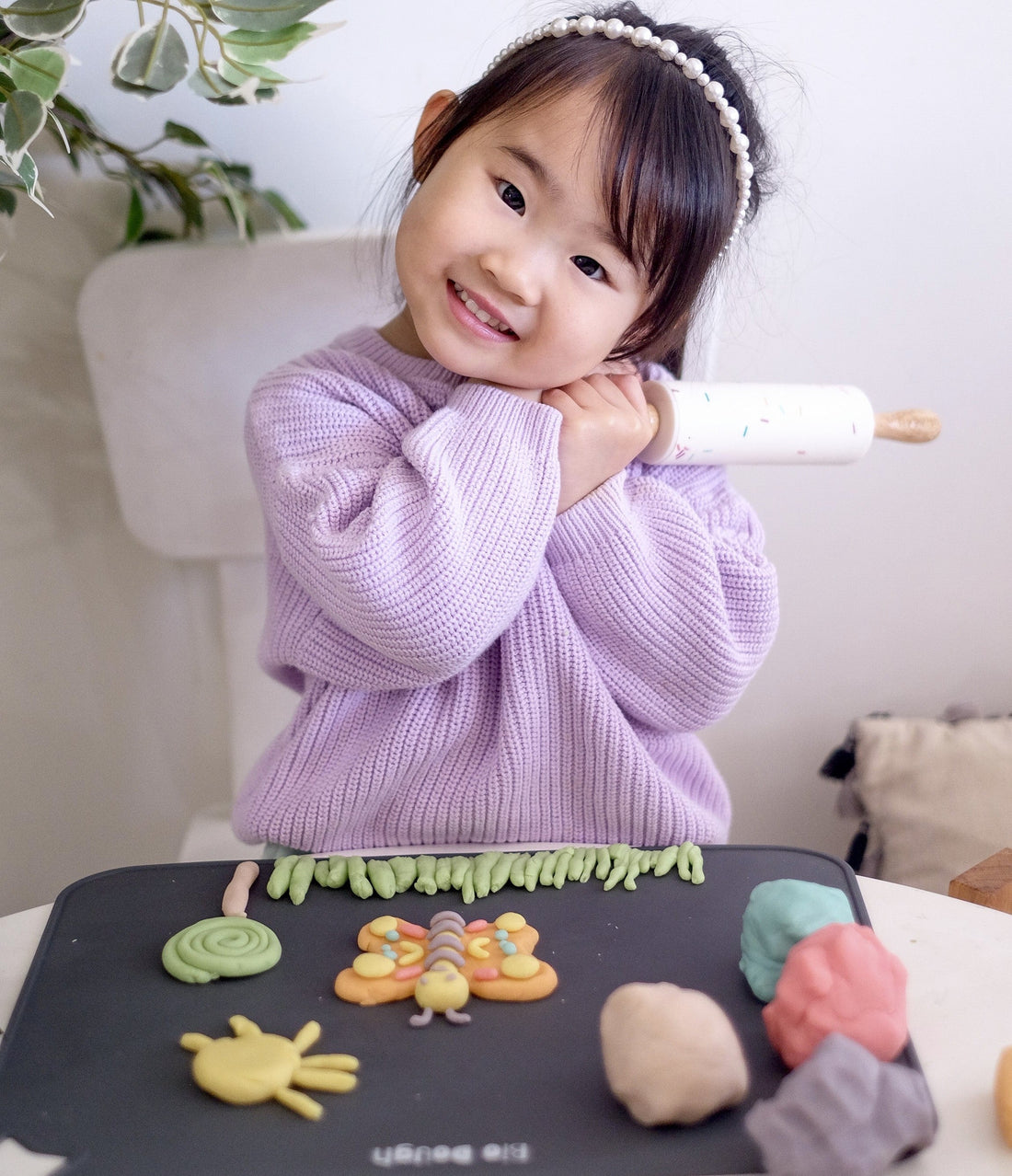
Under the Sea
Use blue and green dough to build a seabed. Flatten pieces into sandy floors, roll thin ropes into seaweed and press fish shapes using cutters. Add large smooth pebbles or safe figurines to bring the scene to life. Bio DoUgh's soft, malleable texture makes rolling seaweed and shaping sea creatures wonderfully easy for little hands.
Dinosaur Discovery
Build volcanoes, rivers and prehistoric landscapes. Stamp dinosaur footprint patterns into flat dough pieces or use dough to construct nests, rocks and hiding places. Children can act out dinosaur stories and develop rich imaginative vocabulary through this open-ended play.
Rainbow and Unicorn Magic
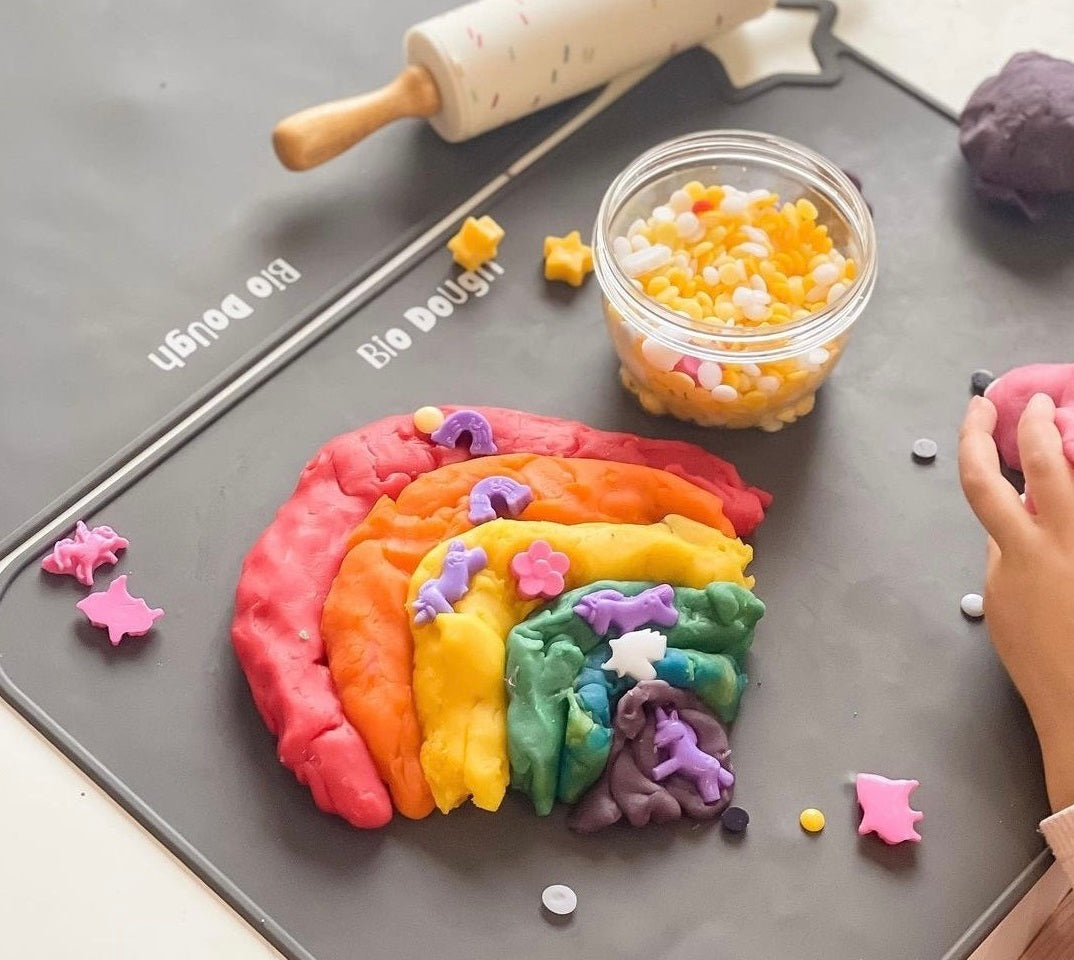
Set out pastel coloured doughs — pink, purple, blue and white — alongside a printable mat. Children can roll rainbow arches, sculpt unicorn horns or create magical worlds with clouds and stars. Bio DoUgh also offers biodegradable glitter that adds sparkle to the sensory experience for children aged three and over, following the product age guidance.
Bakery and Cafe
Set up a full pretend bakery with trays, small cups and tools. Preschoolers can make croissants, cakes, biscuits and pies, take orders and manage a full pretend cafe. This theme combines imaginative play, maths (counting, sorting, simple pricing) and language development in one rich activity.
Garden and Flowers
Choose bright spring colours and build a flower garden complete with stems, petals, leaves and insects. Introduce the parts of a flower as children create — petals, stem, roots and seeds. Connecting playdough to science vocabulary makes learning feel natural and memorable.
How to Set Up a Sensory Play Station at Home
A well-prepared setup makes sensory play more enjoyable for everyone. Here is what works best:
- Choose a clean surface. A kitchen table or hard floor is ideal. The Bio DoUgh silicone play mat creates a defined, easy-to-clean play area that contains dough beautifully.
- Offer one to three colours. One colour is plenty for toddlers. Two or three give preschoolers interesting choices without overwhelming the session.
- Keep tools age-appropriate. For toddlers, start with no tools at all. For preschoolers, the Bio DoUgh accessories range includes rolling pins, cutters, mats and storage that extend play beautifully.
- Prepare the space before play begins. Tie back long hair, put unused tubs away and keep food and drinks out of the area.
- Add a printable mat for themed play. Bio DoUgh's free themed printables cover animals, dinosaurs, unicorns, transport, food and letters — perfect for inspiring themed sessions.
- Pack away together. Collect pieces before they dry, seal clean dough in airtight containers and wipe down tools and the surface. Then wash and dry hands together.
The Learning Benefits of Playdough Sensory Play
Every playdough session builds something meaningful. Here is a clear overview of what children develop through regular sensory play with playdough:
- Fine motor skills: Squeezing, pinching, rolling and cutting strengthen the small muscles in hands and fingers that children need for writing, drawing and self-care.
- Hand strength and grip: Working with dough builds the grip strength and hand stability that support tool use across every area of life.
- Language development: Describing textures, explaining creations and following play scenarios builds vocabulary, sentence structure and communication skills.
- Early maths: Counting pretend food items, comparing lengths, recognising shapes and building patterns are all natural parts of playdough play.
- Creativity and imagination: Open-ended play materials give children the freedom to invent, experiment and bring original ideas to life.
- Emotional regulation: The rhythmic, repetitive actions of kneading and rolling have a calming, focusing effect that helps children settle and manage their energy.
- Concentration: Engaging, hands-on activities help children build the attention span and persistence that support learning across all areas.
- Social skills: Group play with playdough develops turn-taking, collaborative problem-solving and communication with peers and adults.
Why Bio DoUgh Is Made for Toddler and Preschooler Sensory Play
Bio DoUgh is an Australian-made playdough crafted with 100% food-grade ingredients sourced from certified Australian suppliers. Its soft, highly malleable texture is designed specifically for little hands — easy to press, roll, cut and shape from the very first session.
Bio DoUgh comes in many colours, each with its own unique natural scent that adds a beautiful extra sensory dimension to every play session. Clean Bio DoUgh that has dried slightly can be refreshed with a few drops of water, keeping it ready for repeat sessions over time.
Bio DoUgh is recommended for ages two and over and contains wheat. It is a play material and is not meant to be eaten. For ingredient details and allergen guidance, visit the is playdough safe and non-toxic guide.
For families who prefer a neutral option, the Scent-Free and Dye-Free Bio DoUgh delivers the same wonderfully soft texture with no added fragrance or artificial colour. It is a beautiful choice for sensory-sensitive children or families who want to focus the session on texture and tools without extra stimulation.
The Bio DoUgh Mega Value Bundle brings together multiple colours, a rolling pin, mat, cutters and storage containers — everything you need to set up a rich, repeat sensory play station at home. Browse the full Bio DoUgh natural playdough range to find the right colours for your family. You can also explore a variety of homemade playdough recipes if you enjoy making your own.
Frequently Asked Questions
What are the best playdough activities for two-year-olds?
Start with simple sensory exploration — squeezing, poking, rolling balls and making snakes. One colour and no small tools is the perfect setup for a two-year-old. Keep sessions short and follow your child's interest. Everything in the Toddler section of this guide is designed specifically for this age group.
What are the best playdough activities for three- and four-year-olds?
Preschoolers love themed play, shape cutting, counting, pattern making and building story scenes. Introducing age-appropriate tools opens up a wide range of activities. The Preschooler section above covers eight detailed ideas perfect for this stage.
Is sensory play with playdough educational?
Playdough play supports fine motor development, language, maths, creativity, concentration and emotional regulation. The learning happens naturally through the interaction and experimentation rather than through formal instruction. It is play-based learning at its most accessible and enjoyable.
How long should a playdough session last for toddlers?
Follow your toddler's engagement. Some children stay focused for five minutes and others for twenty. Both are completely normal. End the session while interest is still high so the next time feels exciting rather than routine.
What tools should I use for toddler playdough play?
Start with no tools at all — just hands and dough. Once your toddler is comfortable, introduce large, clearly age-appropriate items one at a time. A rolling pin is a great first tool. Check every accessory label before adding it to the session.
How often should I replace playdough?
Replace any piece that has been mouthed or mixed with food, dirt, hair or pet debris. Store clean dough in an airtight container after every session. Refresh clean, dried Bio DoUgh with a few drops of water. Make a fresh homemade batch when needed using a simple recipe from the Bio DoUgh homemade playdough guide.
Can I add glitter or sprinkles to playdough for toddlers?
Loose glitter and sprinkles are best reserved for children aged three and over who no longer mouth objects. Always follow the age guidance on the specific product. Bio DoUgh's biodegradable glitter is a wonderful choice for adding sensory sparkle to sessions with older preschoolers, following the product guidelines.
How do I make playdough activities calm and manageable?
Offer one colour for toddlers and two or three for preschoolers. Set up on a mat away from food. Keep sessions focused and well-timed. Pack away together as a natural end to the activity. A calm, prepared setup creates the conditions for rich, focused play every time.
Start Playing with Bio DoUgh Today
Playdough activities for toddlers and preschoolers are wonderfully simple. A clean mat, one colour and a willing adult beside a child is all it takes to open up a world of sensory discovery, learning and creative joy.
Start with the simplest activity — a soft ball on a mat and two interested hands — and build from there. Every squeeze, roll and poke is doing more developmental work than it looks. The Bio DoUgh Mega Value Bundle gives you everything you need to set up a rich sensory play station at home, ready for dozens of different activities and themes. Check the current product page for inclusions, pricing and age guidance before use.